archium® microsheets as data carriers in time capsules

archium® microsheets, developed by archium, are a hybrid archiving technology that combines digital and analog storage. They consist of acid-free archival paper (compliant with DIN ISO 9706), onto which data is printed in miniaturized, high-resolution form – up to 20,000 pages on just 500 sheets. The technology offers a durability of over 300 years, is energy-independent, resistant to cyber threats, and includes QR codes for metadata. Due to these properties, microsheets are excellently suited as data carriers in time capsules that are built into building foundations or weather vanes on castle and church roofs. Such time capsules serve to transmit information to future generations, e.g. historical documents, construction plans, cultural artifacts, or messages.

Time capsule in the tower dome on Posterstein Castle

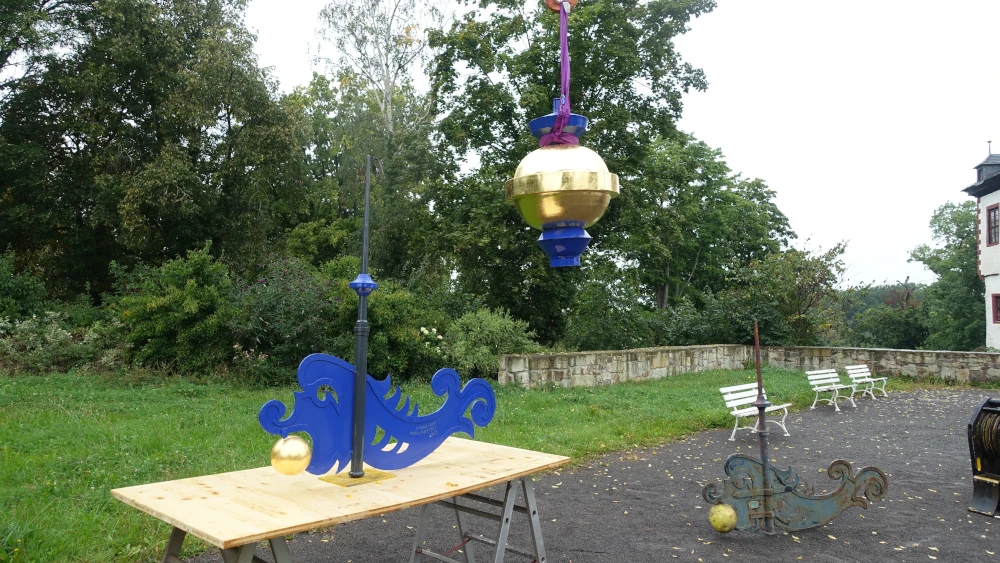
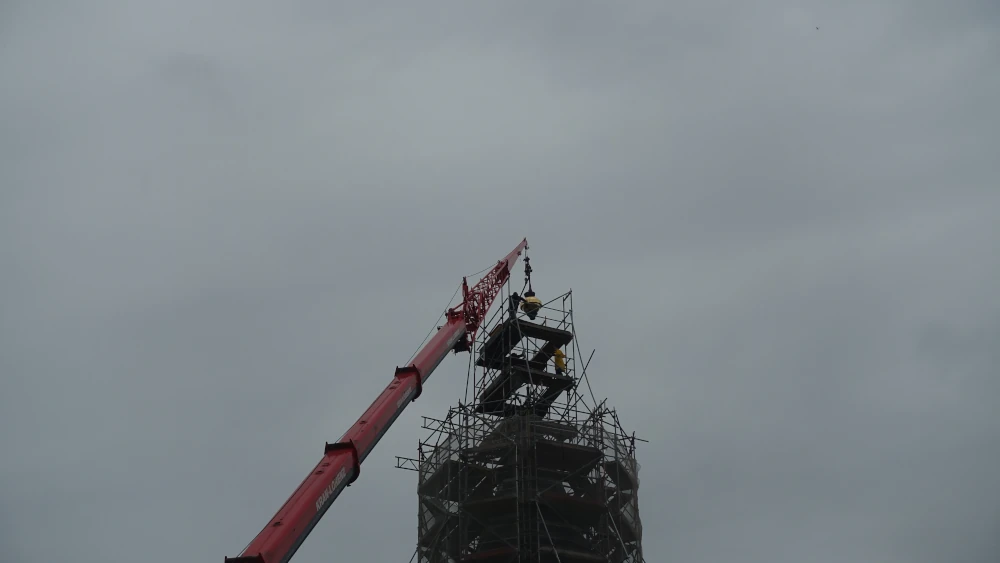
On August 28, 2025, the keep of Posterstein Castle received a new tower dome with a time capsule. archium® miniaturized a book on the castle's history as well as a series of current time documents for future generations.
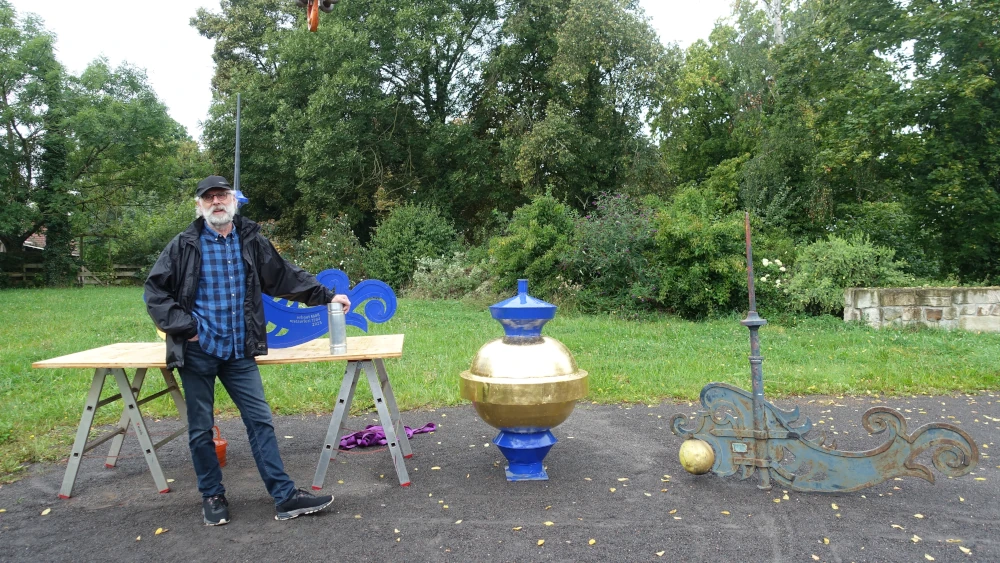
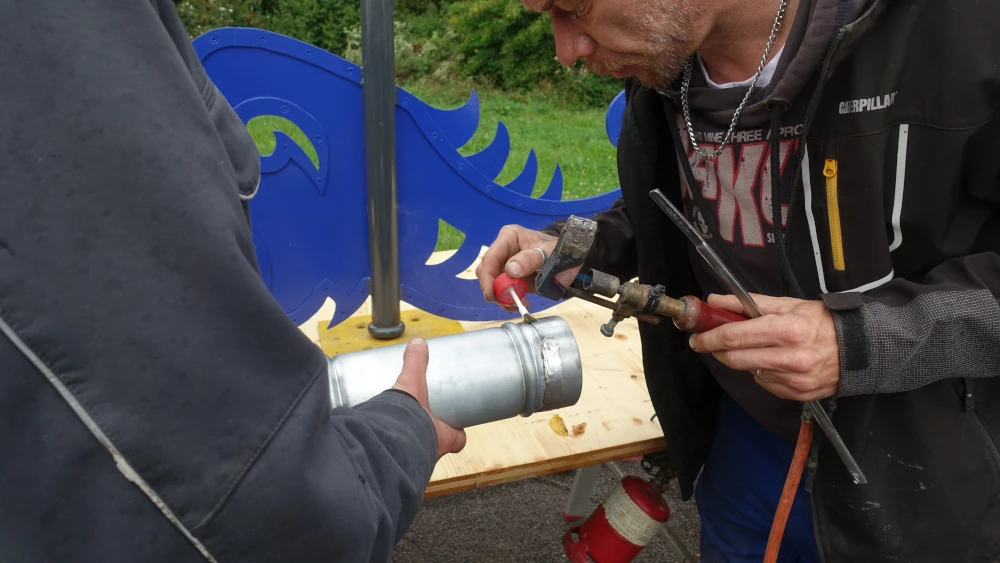
The lord of Posterstein Castle, Klaus Hofmann, solemnly handed over the time capsule to the employees of Werkstätten für Denkmalpflege Quedlinburg GmbH for sealing. Subsequently, the restored tower dome and the new weather vane on the top of the keep were installed. The German daily newspaper "Ostthüringer Zeitung" reported in detail about the event at Posterstein Castle. Here is the link to the article from the online edition of August 30, 2025:

to the article

Suitability of microsheets for time capsules

Time capsules are containers intended to protect information over the long term, often for centuries or longer.

  • Longevity:  The paper is acid-free and therefore aging-resistant. The degradation process is gradual. It withstands environmental influences such as moisture, temperature fluctuations, and chemical reactions better than digital media.
  • Compactness: High storage density (three times higher than microfilm) enables the storage of large amounts of data in a small volume – ideal for tight spaces in foundations or weather vanes.
  • Readability without technology: Contents are easily readable with a magnifying glass or a smartphone; technology, software, or electricity are not strictly necessary.
  • Sustainability: Recyclable, free of hazardous substances or rare earth elements.

The deployment in time capsules could, for example, be relevant for construction projects, monument protection, or cultural projects to transmit history, construction plans, or warnings.

Back