archium® microsheets are an innovative solution for the long-term archiving of digital documents. We use acid-free paper to store data in a miniaturized, full-color, and high-resolution form. This technology was developed as a modern alternative to microfilm and offers higher storage density as well as easy handling.
archium® microsheets represent a modern, paper-based microform technology specifically developed for the long-term archiving of digital documents. Since their development, which began in 2020 in Gera, Thuringia, microsheets have offered a sustainable and cost-effective alternative to traditional microfilm systems. This technology aims to address the challenges of digital archiving, particularly the dependence on current technology and ensuring future readability.
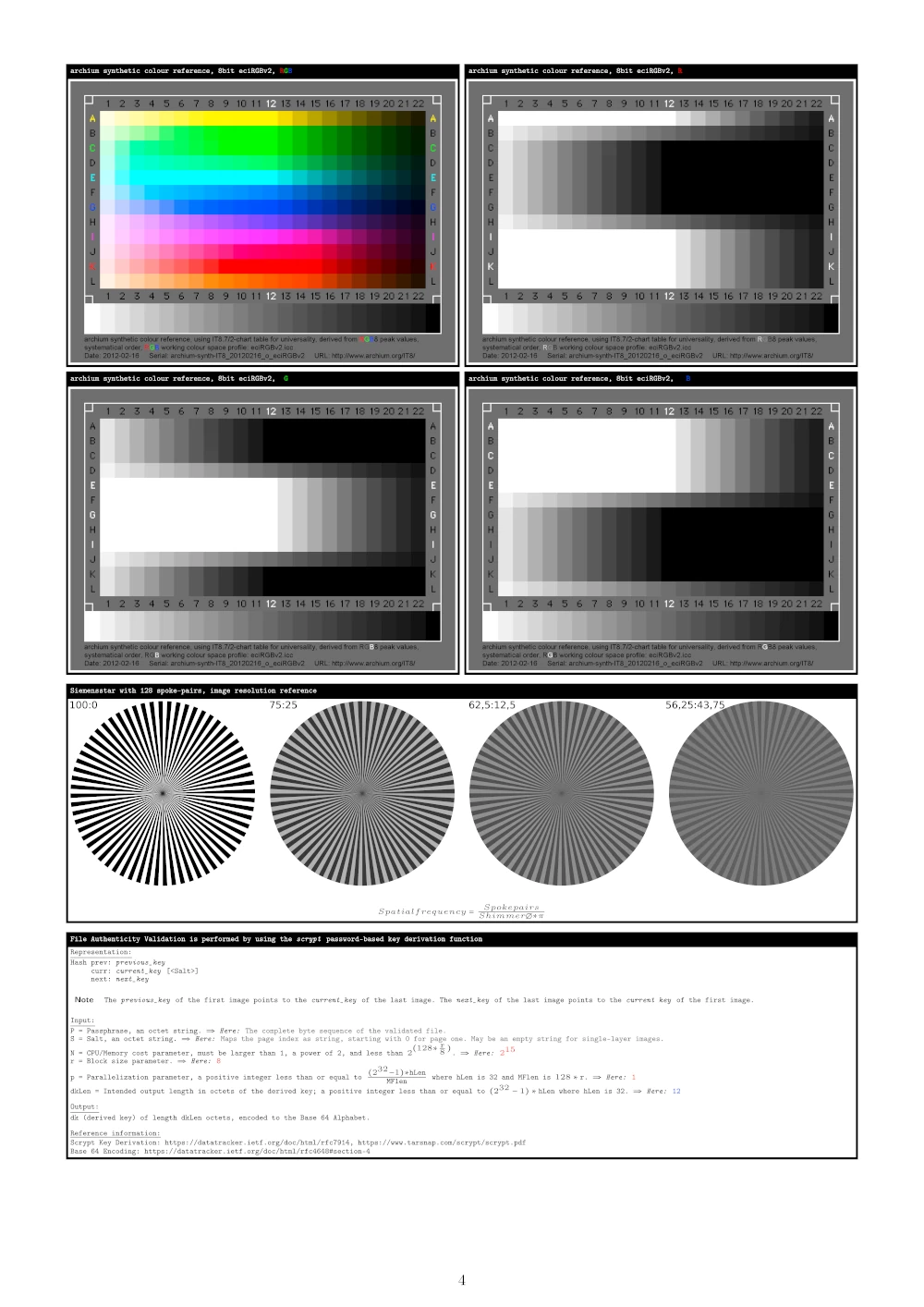
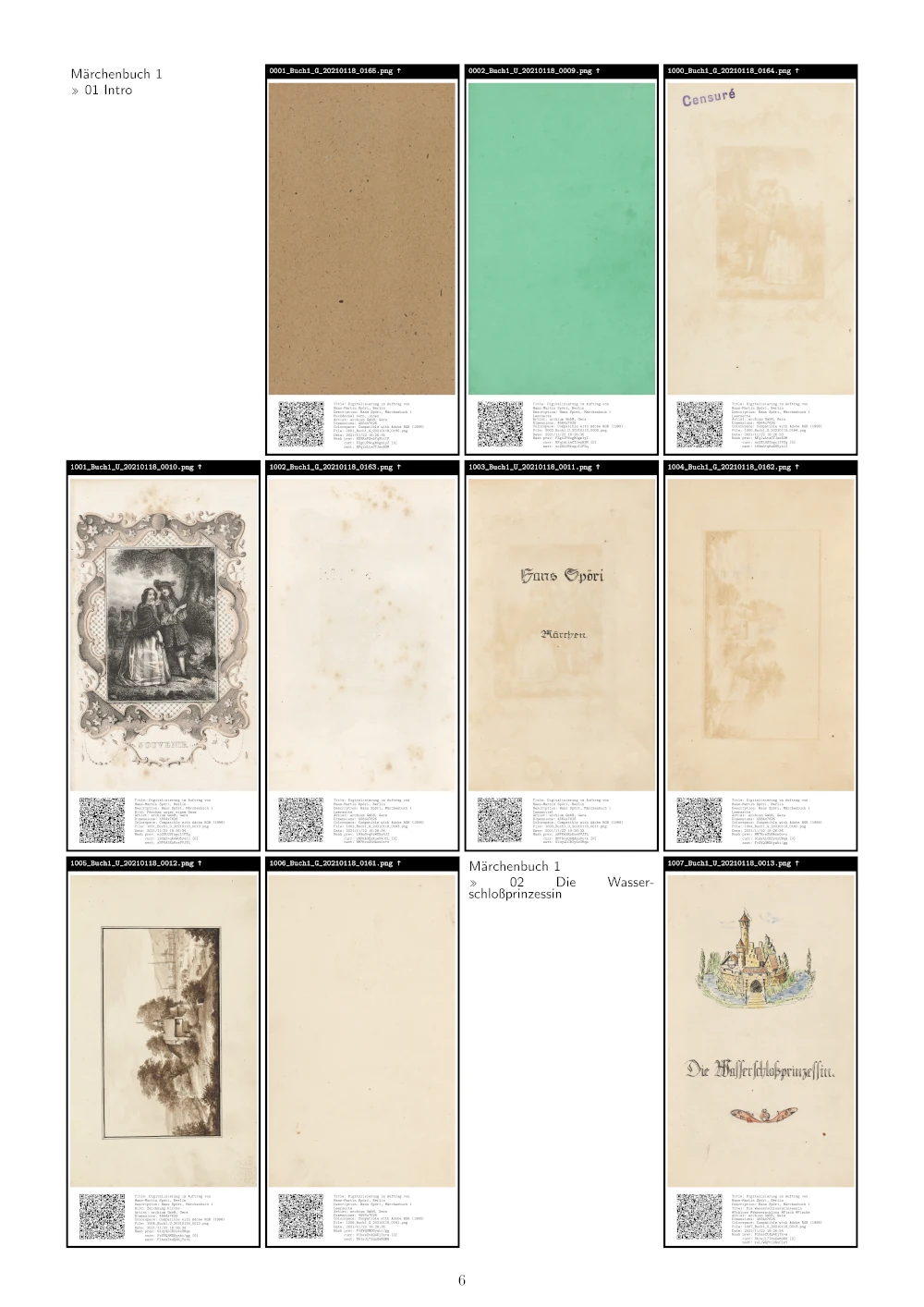
As software developers, we encounter the challenges of processing and storing digital data on a daily basis. This gave rise to the idea of finding an analog microform for storing digital documents that is durable, cost-effective, and immediately re-digitizable anywhere using readily available tools. The choice fell on acid-free paper, which is less expensive and, above all, more readily available than microfilm. The process of combining images with metadata, optimized data preparation for pixel-perfect image reproduction, and raster-free printing technology transform high-quality paper into microsheets.

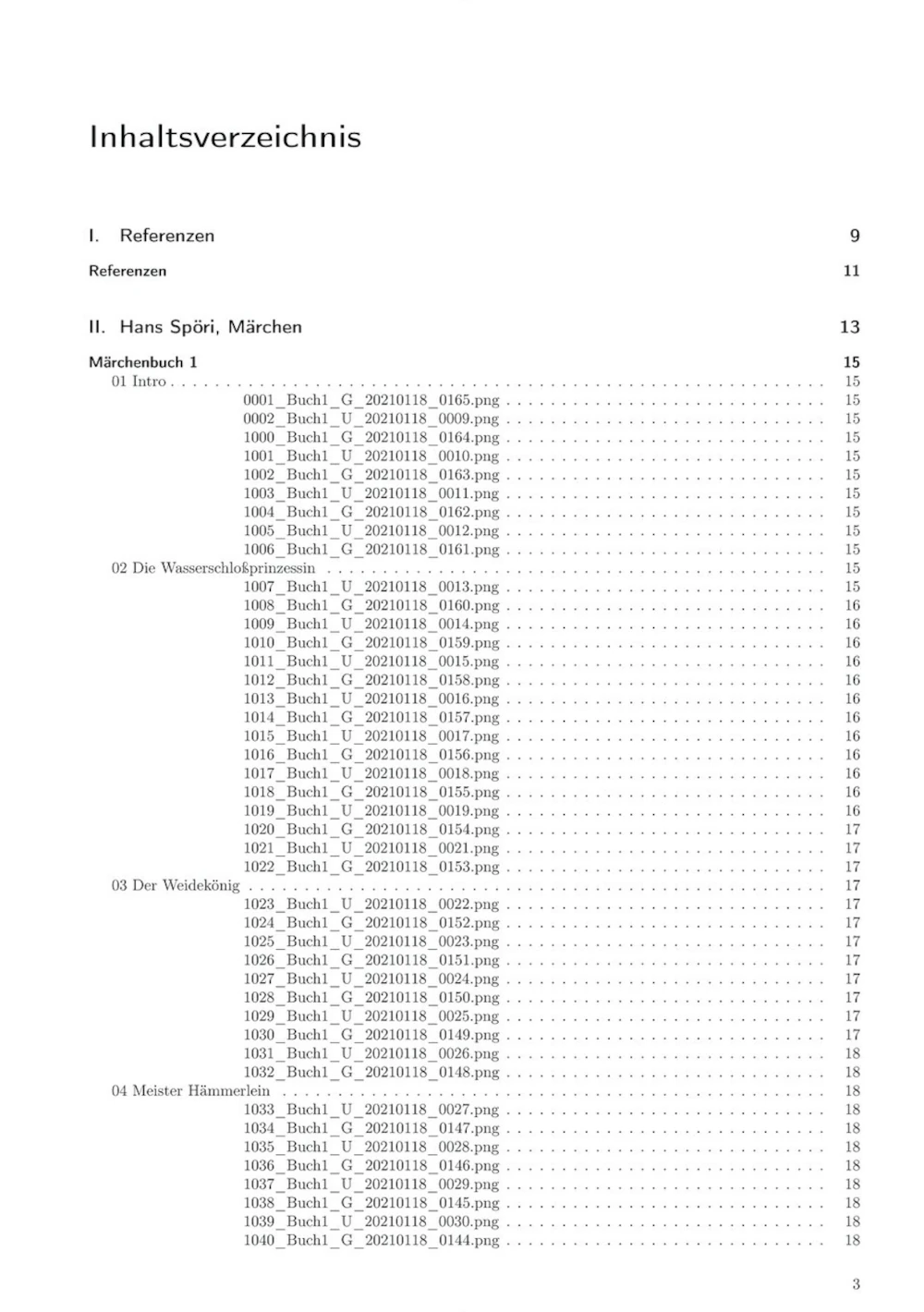
archium® microsheets are used in a wide variety of fields, including public and private archives, museums, public administration, architectural firms, law offices, and companies with long retention periods. They enable hybrid archiving that combines digital and analog storage to ensure maximum flexibility and security in information preservation. Particularly in cases of server failures, power outages, or blackouts, they are technology-independent and crisis-resilient, requiring only a light source and a magnifying glass for reading. With the table of contents, you can locate any document just as you would in your own archive – only on significantly less space.
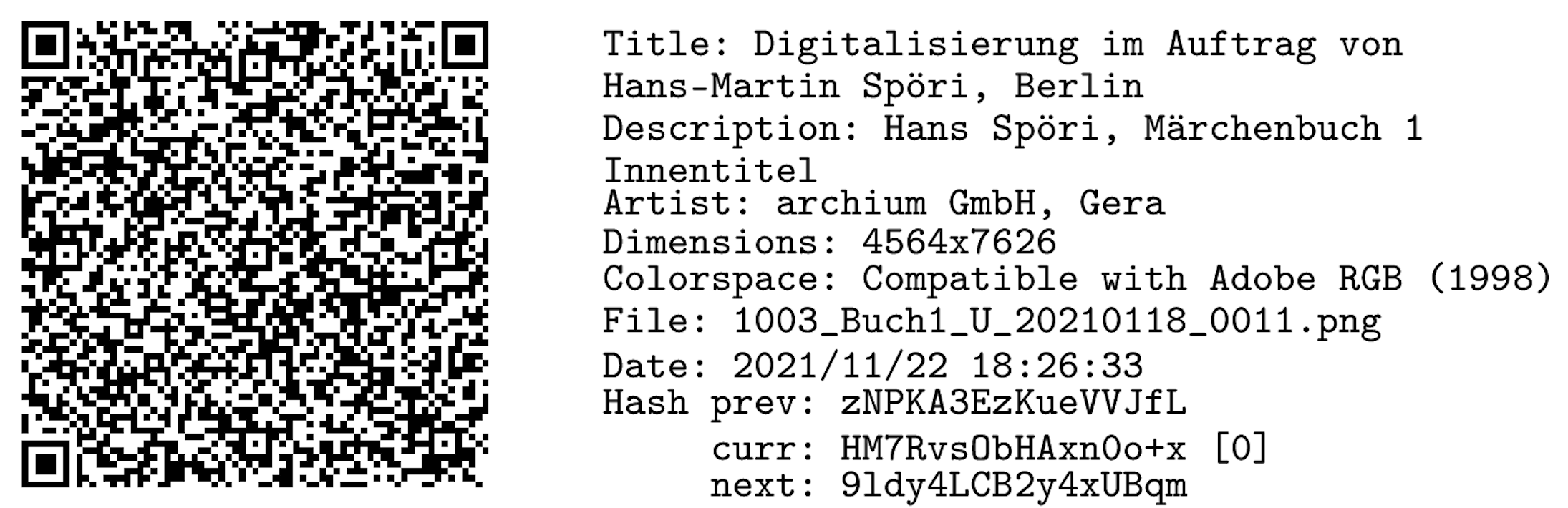
The QR code contains the metadata and facilitates fully automated re-digitization from the paper medium.
We use cookies solely for technical reasons. Visitor data is neither collected, forwarded, analyzed, nor stored. Please acknowledge this by clicking "OK".More Information